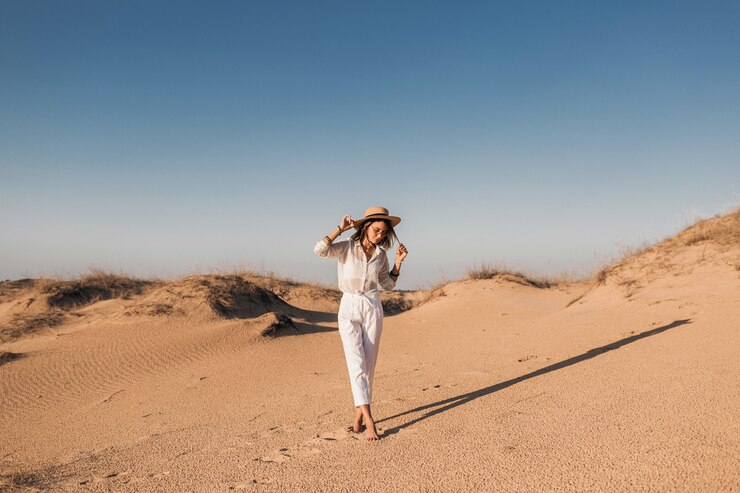
Planning a Dubai desert safari and wondering, what do I actually wear out there?
You’re not alone. Between the heat, sand, wind, and cultural norms, choosing the right outfit can make or break your experience.
The good news? You don’t need anything fancy, just smart, comfortable, breathable clothing that keeps you cool in the day, warm in the evening, and ready for every adventure from dune bashing to camel riding.
This guide breaks down exactly what to wear in Dubai desert safari, what to avoid, and how to dress perfectly for photos, comfort, and the weather, so you enjoy the desert, not fight with it.
Why Your Dubai Desert Safari Attire Actually Matters
With over 9.88 million tourists flocking to Dubai in the first half of 2025 alone and 43% of them gearing up for the iconic desert safari adventure, choosing the right attire is key to conquering the dunes without discomfort.
Most travellers underestimate how extreme the desert can feel until they step into it. Choosing the right Dubai desert safari attire isn’t just about style. It’s about comfort, safety, and enjoying every activity without distractions.
During the day, temperatures rise quickly, and the sun reflects off the sand, making light, breathable fabrics essential. By evening, the desert cools down fast, so having the right layers becomes important.
A smart outfit also protects you from sand during dune bashing, prevents sunburn, and lets you move freely during camel rides, quad biking, and sandboarding.
Plus, Dubai follows modest cultural guidelines, and dressing respectfully ensures you feel comfortable wherever your safari takes you, from the dunes to the traditional Bedouin camp.
Your outfit is more than clothes; it’s part of the experience. When chosen right, it makes the safari smoother, safer, and far more enjoyable.
Understanding Dubai Desert Safari Dress Code
Before choosing what to pack, it helps to understand the basic desert safari dress code followed across Dubai. The aim is simple: stay comfortable, stay respectful, and stay prepared for the desert climate.
Dubai’s dress expectations are generally modest, but the desert safari is more relaxed compared with city malls or public areas. Breathable, loose-fitting clothes are preferred because they allow airflow and prevent overheating.
Light colours work best as they reflect the sun, while natural fabrics like cotton, linen, and bamboo keep your skin cool even in high temperatures.
The dress code is also designed around practicality. Clothes should protect you from direct sunlight, flying sand during dune bashing, and the strong evening breeze that comes after sunset.
For women, sleeveless tops and shorts are acceptable in the desert, but many travellers still choose loose trousers or maxi dresses for comfort and cultural ease. For men, short-sleeved shirts or T-shirts paired with lightweight trousers or shorts work perfectly.
In short, the desert safari dress code is all about breathable fabrics, respectful silhouettes, and outfits that help you enjoy the experience without discomfort.
What to Wear to Dubai Desert Safari (For Women)?
Choosing the right outfit can make your experience smoother, cooler, and more comfortable. Here’s a simple but best breakdown of what to wear to Dubai desert safari for women in the desert:
Best Tops for Women
Lightweight, breathable tops are ideal. Cotton T-shirts, loose blouses, and airy long-sleeved shirts protect you from the sun without trapping heat. Avoid tight or synthetic fabrics because they stick to the skin when temperatures rise.
Bottoms That Work Well in the Desert
Loose trousers, joggers, cotton leggings, linen pants, and midi or maxi skirts are perfect for movement and airflow. Shorts are allowed and comfortable during daytime safaris, but many women prefer longer bottoms to avoid direct sun exposure and sand irritation.
Layering for Evenings
Desert nights get surprisingly cool. A light cardigan, denim jacket, shawl, or kimono gives you enough warmth without feeling bulky. This becomes especially useful during sunset or overnight camps.
Activity-Friendly Women’s Outfits
For camel riding, quad biking, dune bashing, and sandboarding, choose outfits that allow easy movement. Avoid anything too flowy that may get caught in the wind. A simple pairing breathable top + comfy trousers + closed shoes works best. If you’re planning photos, flowing dresses look beautiful, but carry a spare, practical outfit for activities.
What to Wear to Dubai Desert Safari (For Men)?
Dressing for the desert is all about staying cool, protected, and comfortable during every activity. Here’s the ideal clothing breakdown of what to wear to Dubai desert safari for men:
Breathable Top Wear
Choose lightweight cotton T-shirts, polo shirts, or loose linen shirts. These fabrics allow airflow, prevent excess sweating, and protect your skin from direct sunlight. Avoid thick materials or anything too fitted, as they trap heat quickly.
Light & Flexible Bottom Wear
Comfortable trousers, cargo pants, joggers, or knee-length shorts are all great options. Lightweight fabrics like cotton or linen work best. If you’re planning to do quad biking or sandboarding, longer trousers offer better protection from the sand.
Seasonal Layering for Men
Desert evenings can drop in temperature, especially during winter. A light hoodie, zip-up jacket, or breathable overshirt gives you enough warmth without feeling heavy or restrictive.
Ideal Outfits for Dune Bashing & Camel Riding
For adventure activities, stick to simple and flexible clothing. A loose T-shirt paired with joggers or athletic trousers is perfect. Avoid jeans, as they can feel stiff and uncomfortable with sand friction. Closed shoes are highly recommended for stability during camel rides and quad biking.
With the right outfit, men can stay cool, relaxed, and ready for everything from sunset photos to off-road thrills.
Footwear Guide: What Shoes Are Best for a Desert Safari?
Your footwear can make a big difference in how comfortable you feel during the safari. The sand is soft, warm, and constantly shifting, so choosing the right shoes matters.
Sports Trainers (Best Overall Choice)
Lightweight trainers or running shoes offer the perfect balance of comfort, grip, and protection. They’re great for dune bashing, walking around the camp, or climbing dunes for photos. Closed shoes keep sand out better than open sandals.
Closed-Toe Sandals (Good for Casual Trips)
Sturdy, breathable sandals with straps work well if you prefer something open. Choose designs that are secure and won’t slip off while walking on sand. Avoid anything loose or decorative.
Why Flip-Flops Aren’t Ideal
They sink into the sand, slip easily, and offer no grip during activities. You can bring them to wear at the camp, but avoid using them during dune bashing or sandboarding.
Shoes for ATV & Quad Biking
Closed-toe shoes are mandatory for quad biking for safety reasons. Trainers or lightweight hiking shoes work best, offering better control and foot protection.
Choosing the right footwear ensures you can explore freely without worrying about slipping, sinking, or getting sand burns on your feet.
Accessories You Should Bring
The right accessories can make your safari experience safer, cooler, and far more comfortable. Here’s exactly what you should bring along:
Sunglasses
The desert sun reflects strongly off the sand, so a good pair of UV-protected sunglasses is essential. They protect your eyes during dune bashing and make sunset views more enjoyable.
Hat or Scarf
A wide-brim hat or a lightweight scarf provides shade and protects your head from direct sunlight. Many travellers prefer a shemagh or ghutra because it can be wrapped around the head and face during sandy winds.
Sunscreen
A high-SPF, sweat-resistant sunscreen is a must. Apply it before the safari and reapply if you’re staying for sunset or an extended camp experience.
Crossbody Bag
A small bag helps you carry your essentials safely without worrying about dropping anything during activities. Choose a lightweight, zippered crossbody bag that keeps your hands free.
Reusable Water Bottle
Even though camps provide water, it’s better to keep your own bottle handy, especially during hot months. Staying hydrated prevents dizziness and heat fatigue.
Scarf or Face Covering for Sand Protection
Useful during dune bashing or windy evenings, a scarf keeps sand out of your nose, mouth, and hair. It also adds a stylish touch to your photos.
Packing these simple accessories ensures you’re protected from sun, sand, and heat, making your Dubai desert safari much more enjoyable.
What Not to Wear on a Desert Safari in Dubai?
Wearing the wrong outfit can make your safari uncomfortable and, at times, even unsafe. Here’s what you should avoid to ensure a smooth and enjoyable experience:
Tight Jeans or Heavy Fabrics
Denim, thick cotton, and tight-fitting clothes trap heat and make movement difficult. Sand also sticks to them, causing discomfort during activities.
Heavy Jackets or Layered Clothing
Evenings can get cool, but heavy jackets are unnecessary and difficult to carry. Choose a light layer instead.
High Heels or Dress Shoes
They sink into the sand, reduce balance, and make walking around the desert camp almost impossible. Always choose trainers or secure sandals instead.
Complicated or Delicate Outfits
Avoid anything with long trains, heavy embroidery, or delicate fabric that can catch the wind or trap sand.
Large or Chunky Jewellery
Necklaces and big earrings can get caught in your clothing during activities or become uncomfortable in the heat. Keep accessories minimal.
Synthetic Materials
Polyester and nylon trap sweat and heat, making them uncomfortable in desert temperatures.
White Shoes or White Bottoms
The sand can stain them easily, and the dust is difficult to remove. Neutrals like beige, tan, or khaki are better choices.
Avoiding these items ensures you stay cool, safe, and comfortable throughout your desert adventure, from dune bashing to dinner at the Bedouin camp.
Packing Checklist for Your Desert Safari
A desert safari is more enjoyable when you’re prepared. Here’s a simple, reliable packing checklist to make sure you have everything you need for comfort, safety, and great photos.
Clothing Essentials
Lightweight top (cotton or linen)
Breathable trousers or comfortable shorts
Light jacket or shawl for evenings
Sports trainers or closed sandals
Extra pair of socks (helpful if sand gets in your shoes)
Sun & Heat Protection
High-SPF sunscreen
Sunglasses
Hat, cap, or
Lip balm with SPF
Sand & Wind Protection
Scarf or bandana to cover your face during dune bashing
Hair ties or clips to avoid tangles in windy conditions
Useful Accessories
Small crossbody bag or waist pouch
Phone power bank
Reusable water bottle
Wet wipes or tissues
Hand sanitiser
Optional But Helpful
Camera or GoPro for action shots
Extra battery for devices
Small towel to brush off
Snacks if you have dietary preferences
These simple items ensure you’re fully prepared for heat, sand, wind, and long activity-filled hours, making your Dubai desert safari smooth, comfortable, and stress-free.
Final Tips Before You Go
Stay hydrated – drink water regularly throughout the trip
Use sunscreen – apply before the safari and reapply if needed
Choose comfort first – loose, breathable clothes always win
Respect local norms – modest outfits keep everyone comfortable
Expect sand everywhere – avoid clothes and shoes you want to keep spotless.
Pack light – a small bag with only essentials is enough.
Bring a light layer – evenings can feel breezy, even after hot days.
With these simple checks, you’re ready to enjoy your Dubai desert safari from first dune to last sunset.
Why Choosing the Right Safari Operator Matters?
Your outfit prepares you for the desert, but your safari operator shapes the entire experience. A reliable provider ensures comfort, safety, and smooth planning from start to finish, and that’s exactly what Sahara Thrills is known for.
With Sahara Thrills, you don’t need to stress about the details. Every safari includes friendly guidance, clear instructions, and support to help you dress comfortably for the weather and activities. Whether it’s dune bashing, camel riding, sandboarding, or sunset photography, the team ensures you know what to expect and how to prepare.
Our camps offer shaded rest areas, clean seating, and easy access to water and refreshments, making your outfit choices more flexible and your experience far more enjoyable. And because our guides understand the desert conditions better than anyone, you’ll always get advice tailored to the season, the activities, and your comfort.
Choosing a great operator means your focus stays on the adventure, the views, and the unforgettable moments. With Sahara Thrills, you’re in expert hands from the moment you arrive at the dunes.
Yes. From November to March, a proper puffy or winter jacket is essential after 8 pm—evening safaris finish around 9–10 pm when it’s coldest.
2. Can I just wear a hoodie in January?
No. January nights drop to 6–10 °C with wind. A hoodie alone won’t be the option you’ll be cold within 30 minutes. Wear a puffy jacket over it to keep yourself warm and comfortable.
3. Is overnight camping too cold in winter?
Not if you’re prepared. With our 0 °C sleeping bags, blankets, and fire, most guests sleep comfortably. Light sleepers or cold-sensitive people should avoid Dec–Feb.
4. When do you hand out extra blankets?
Immediately when you ask, usually around 9 pm when the first chill hits. We keep piles ready at camp; just wave at any staff member.
5. Best time for overnight safari without freezing?
October, late March, and April. Nights stay 18–23 °C cool, refreshing, and you only need a light jacket or shawl after sunset.
6. Do kids need special warm clothes?
Yes. Always one extra layer than adults (fleece onesie or puffy jacket). Kids cool down faster; we also give them priority for spots nearest the fire.
Hi there! 👋 I'm here to assist you with your desert safari experience. Feel free to ask me anything, or choose one of the options below to get started!
Any questions related to Desert Safari Outfit Guide: What to Wear in Dubai??